My epistemological beliefs evolve along with the changing expectations and studies. They may also vary depending on the discipline of focus. I would like to step back and examine the most commonly used method of learning in my line of work – coaching. Coaching plays an integral part in a BPO company because the business continuously drives results coming from the productivity performance of every employee. I would like to reflect on the way I see coaching before and how I perceive it now.
What is Coaching?
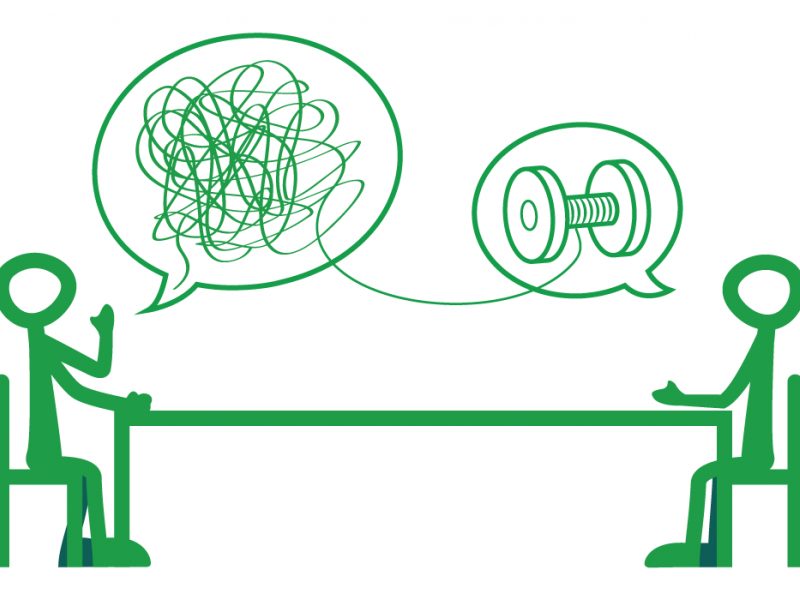
According to John Whitmore, Coaching is unlocking a person’s potential to maximise their own performance. It is helping them to learn rather than teaching them. Although there are various ways to define coaching but in essence, coaching is :
- To help a person change in the way they wish and helping them go in the direction they want to go
- Coaching supports a person at every level in becoming who they want to be
- Coaching builds awareness, empowers choice and leads to change
Prior to me joining BPO, coaching for me is a reprimand. It’s something that leaders do to call out someone and teach them. Simple as that. Coaching a colleague at work is something I refused to do before because I thought, I don’t know any better. Coaching a direct report is all about the numbers and the refreshers but soon I realized it’s more than that.
There are 2 common consequences when coaching is utilized in the workplace. In this post, I will highlight my epistemological beliefs about what coaching is, how it is done, how it influences my method in a setting wherein I have to coach a peer and a direct report.
Coaching a colleague
Coaching a peer at work is like coaching a sibling but ideally, you have to stay professional and objective with what you need to coach on. Also, there is a professional way of providing feedback which is structured into a STAR (situation/task, action, result) format to ensure that feedback giving is complete, professional and objective. If the behavior or action needs improvement, structure is STAR-AR (situation/task, action, result, alternative, result).
Feedback giving is most important especially if you feel that you have a moral obligation to let someone know about their actions and behavior to make them aware, giving them a chance to improve. Based on experience, not all welcomes the idea of being called out but there are those who are grateful.
Coaching a direct report
When coaching a direct report or a subordinate, as a leader, you have to consider that the coaching serves the purpose of improving his performance. Coaching can be in the form of a refresher, a teach back, a feedback of an output or performance but with the goal that at the end of the session, the direct report comes to a self-realization to drive a change in behavior and eventually performance.
If you are a manager, you must have the competence, ability and humanity to provide coaching that both benefits your team’s performance and will have a bigger impact on the direct report’s outlook and behavior.
Conclusion
Based on how I experience the shift on knowledge and understanding of coaching through exposure, training, talks, readings and experience, I can identify that indeed, epistemological beliefs do change. Epistemology is variable but transformative. It changes to suit the needs and demands and it gets better or evolved to lead a different understanding of the concept.
What is Coaching? Retrieved from: https://www.skillsyouneed.com/learn/coaching.html
 The Graveyard Chronicles